

Screw-Retained vs. Cemented Dental Crowns on Implants: Why Modern Dentistry Chooses Screw-Retention
The Evolution of Implant-Supported Restorations
In modern restorative dentistry, the choice between cemented and screw-retained crowns on dental implants represents more than just a technical decision—it’s a fundamental shift toward greater longevity, predictability, and patient comfort. While traditional crown placements on natural teeth universally use adhesive bonding (cementation), the world of implant dentistry has evolved dramatically, with screw-retained systems emerging as the gold standard for forward-thinking clinics worldwide.

At our dental centers in Istanbul and Bodrum, operating at the highest European standards, we have embraced this technological advancement, offering patients durable, aesthetic, and maintainable solutions that stand the test of time. Whether in the vibrant heart of Istanbul or the beautiful coastal setting of Bodrum, we deliver consistently exceptional care with the same uncompromising quality.
This comprehensive guide explores why screw-retained zirconia crowns are revolutionizing implant dentistry, how they compare to traditional cemented options, and what patients should consider when making this important decision for their oral health.
Chapter 1: The Standard Approach – Cemented Crowns on Implants
Currently, approximately 90% of clinical practices worldwide still utilize cemented (simante edilerek) systems for implant-supported crowns. This method involves creating a crown that is permanently bonded onto an abutment attached to the implant. While familiar and straightforward for many dentists, this approach carries inherent limitations that affect long-term outcomes.
The Process of Cemented Crown Placement:
- An abutment is screwed onto the dental implant
- The custom-made crown (zirconia, porcelain, Emax, or laminate) is fabricated
- Dental cement is applied inside the crown
- The crown is positioned and pressed onto the abutment
- Excess cement is removed after bonding
The Hidden Risks of Cemented Systems:
- Subgingival Cement Residue: Even with meticulous technique, microscopic cement remnants often remain below the gum line, acting as a plaque trap and leading to peri-implantitis—a destructive inflammatory process affecting soft and hard tissues around implants.
- Irreversible Retrievability: Once cemented, these crowns become essentially permanent. If complications arise (such as screw loosening, abutment issues, or gum inflammation), removal typically results in crown fracture in approximately 90% of cases, necessitating complete replacement.
- Limited Maintenance Access: Regular professional cleaning around cemented crowns is challenging, potentially compromising long-term tissue health.
- Fracture Risk During Removal: As noted in our clinical experience in both our Istanbul and Bodrum clinics, attempting to remove cemented crowns for any reason carries a high risk of damaging the restoration beyond repair.
Chapter 2: The Superior Alternative – Screw-Retained Zirconia Crowns
The screw-retained system represents a paradigm shift in implant prosthodontics. Instead of relying on dental cement, the restoration is mechanically fastened to the implant with a titanium screw through an access hole, later sealed with an aesthetic composite filling. This approach offers numerous advantages that address the shortcomings of cemented systems.
Technical Excellence of Screw-Retained Systems:
The Procedure:
- A precisely milled crown with an integrated screw channel is fabricated
- The crown is positioned directly onto the implant
- A medical-grade titanium screw is tightened through an occlusal or lingual access point
- The access hole is sealed with tooth-colored composite resin
- The restoration is immediately functional and aesthetically seamless
Unmatched Advantages:
- Complete Retrievability: The crown can be removed and reinserted multiple times without damage by simply removing the composite seal, loosening the screw, and lifting off the crown.
- Zero Cement-Related Complications: Eliminating subgingival cement entirely removes a major risk factor for peri-implant disease, supporting healthier long-term tissue stability.
- Simplified Maintenance: Hygienists and dentists can easily remove the crown for thorough cleaning of both the restoration and implant components during regular check-ups.
- Enhanced Durability: Without cement degradation over time, the mechanical connection maintains its integrity for decades with proper care.
- Repairability: Minor chips or fractures can often be repaired chairside without replacing the entire crown.
- Predictable Outcomes: Clinical studies demonstrate significantly higher long-term success rates with screw-retained systems, particularly in the posterior regions where chewing forces are greatest.

Chapter 3: Monolithic Zirconia – The Perfect Partner for Screw-Retained Systems
Not all zirconia is created equal. While traditional layered zirconia crowns can present challenges with chipping, color stability, and wear, we exclusively use monolithic zirconia for all our implant-supported restorations at both our Istanbul and Bodrum clinics.
Why Monolithic Zirconia Represents Technological Superiority:
What Makes It Different:
Monolithic zirconia crowns are milled from a single block of high-strength, aesthetically enhanced zirconia through completely digital processes (CAD/CAM technology). Unlike traditional porcelain-fused-to-zirconia crowns, there is no layering that can separate or chip over time.
Superior Characteristics:
- Exceptional Strength: With flexural strength exceeding 1200 MPa, monolithic zirconia withstands the most demanding occlusal forces without fracture
- Enhanced Aesthetics: Modern translucent zirconia blocks provide lifelike depth and vitality that rival natural tooth structure
- Minimal Wear: Advanced polishing techniques create surfaces that are gentle on opposing natural teeth
- Color Stability: The homogeneous material resists staining and maintains its appearance indefinitely
- Precision Fit: Digital manufacturing eliminates human error, achieving marginal accuracy within microns
- Biocompatibility: Excellent tissue response with minimal plaque accumulation
Economic Reality:
While monolithic zirconia costs at least 20% more than traditional layered zirconia due to superior materials and advanced manufacturing, we provide this premium material at no additional cost to our patients—representing exceptional value for world-class dental restoration, whether you’re treated in Istanbul or Bodrum.
Chapter 4: Clinical Considerations and Treatment Planning
When Screw-Retention is Particularly Advantageous:
- Limited Interocclusal Space: Screw-retained crowns require less vertical space than cemented alternatives
- Suboptimal Implant Angulation: The screw-access channel can sometimes compensate for implant positioning challenges
- History of Cement Sensitivity: Patients with recurring gingival inflammation around previous cemented restorations
- High Caries Risk Individuals: Eliminating cement margins reduces plaque-retentive areas
- Bruxism or Heavy Bite Forces: The mechanical retention provides superior resistance to dislodging forces
Technical Considerations for Optimal Outcomes:
Aesthetic Management of Screw Access:
Modern techniques allow for screw channels to be positioned through the lingual/palatal surfaces or occlusal fossae where they are virtually undetectable. The micro-composite seals are polished to blend seamlessly with the restoration.
Prosthetic Planning:
Digital smile design, 3D implant planning, and guided surgery allow for ideal implant positioning that facilitates screw-retained solutions even in aesthetically demanding areas.
Torque Management:
Precise torque control devices ensure optimal screw tightening—enough to prevent loosening but not so much as to stress the components—typically between 15-35 Ncm depending on the implant system.
Chapter 5: Addressing Patient Concerns and Common Questions
FAQ: Screw-Retained Zirconia Crowns
Q: Will I feel the screw access hole on my crown?
A: No. The access is meticulously sealed with tooth-colored composite that is polished to the same smoothness as the rest of your crown. You won’t detect it with your tongue or during chewing.
Q: Can the screw come loose?
A: While possible, it’s uncommon with proper torque application. Even if it does occur, tightening it is a simple, five-minute procedure without crown damage—unlike cemented crowns which typically must be completely replaced if the abutment screw loosens.
Q: Is the procedure more expensive?
A: While screw-retained systems involve slightly higher laboratory costs (approximately 20€ more per crown in materials), we believe in providing the superior option without price differentiation. The long-term savings from avoided repairs and replacements make it economically advantageous.
Q: How long do screw-retained crowns last?
A: With proper oral hygiene and regular dental check-ups, screw-retained zirconia crowns can last 20+ years, significantly outlasting cemented alternatives which typically require replacement within 10-15 years due to cement failure or irreparable damage during removal.
Q: Can I get screw-retained crowns on all my implants?
A: In approximately 95% of cases, yes. Occasionally, extreme angulation or spacing issues might necessitate a cemented approach, but with modern planning software and guided surgery, we can almost always position implants to accommodate screw-retention.
Chapter 6: Why Choose Our Istanbul and Bodrum Clinics for Your Implant Restoration?
European Standards in Two Prime Turkish Locations
Our dental centers in Istanbul and Bodrum operate at the intersection of cutting-edge technology and time-honored craftsmanship. We combine German precision engineering, Swiss quality materials, and Turkish hospitality to deliver dental restorations that rival the best clinics in Europe.
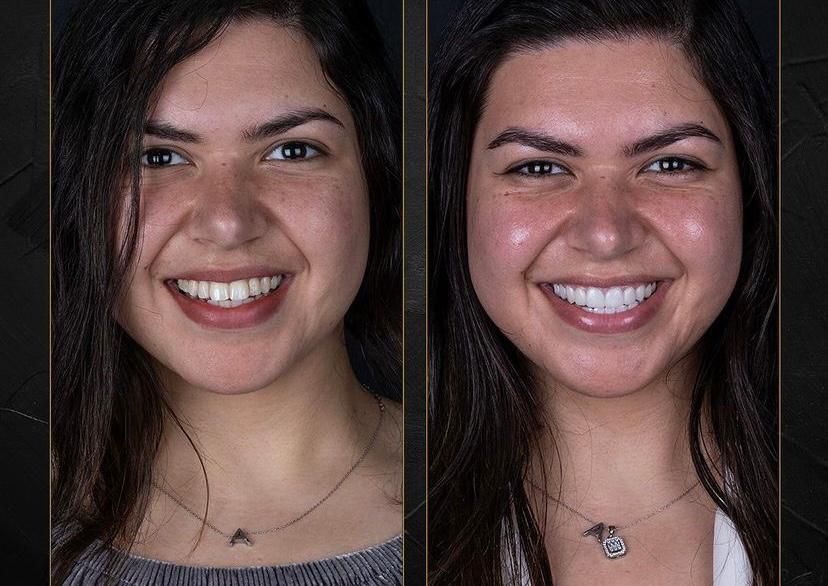
The Istanbul Experience:
Located in Turkey’s vibrant cultural and economic capital, our Istanbul clinic serves both local and international patients with state-of-the-art facilities and multidisciplinary expertise. The city’s unique position bridging continents makes it an ideal destination for world-class dental care.
The Bodrum Advantage:
Our Bodrum clinic brings the same exceptional standards to the beautiful Aegean coast. Serving both residents and visitors to this popular destination, we offer premium dental care in a relaxed, holiday-friendly environment. Patients can combine necessary dental treatment with the rejuvenating atmosphere of Bodrum, without compromising on quality or technology.
Our Unchanging Quality Promise Across Both Locations:
- Identical Digital Workflow: From intraoral scanning to guided implant placement and CAD/CAM manufacturing, we maintain complete digital integration for unprecedented accuracy in both clinics
- Uniform Material Standards: We use only certified, medical-grade materials from reputable European suppliers at both locations
- Standardized Protocols: Every clinical and laboratory procedure follows the same stringent protocols whether in Istanbul or Bodrum
- Lifetime Support: We provide extended warranties and maintenance programs for all our implant restorations from either clinic
- Consistent Excellence: The same quality control measures, specialist training, and patient care standards apply at both centers
The Turkish Dental Advantage:
Patients choosing our clinics benefit from world-class dental care at significantly more accessible prices than Western European clinics, without compromising on quality. Our Istanbul and Bodrum locations offer treatment that meets and exceeds EU medical device regulations while providing the warm, personalized care characteristic of Turkish hospitality.
Chapter 7: The Future of Implant Dentistry – Why Screw-Retention is Becoming Standard
Industry trends clearly indicate a shift toward screw-retained systems. In recent months, we’ve noted a significant increase in patient requests specifically for screw-retained options as information about their advantages becomes more widely available. Forward-thinking clinics worldwide are adopting this approach because it simply offers better long-term outcomes.
What This Means for Patients:
When discussing options with your dentist, you can now knowledgeably ask:
- “Do you offer screw-retained crowns as an option?”
- “What percentage of your implant cases use screw-retention versus cementation?”
- “Can you show me examples of your screw-access closures on anterior teeth?”
- “What is your protocol for maintaining screw-retained crowns long-term?”
The Competitive Edge for Quality-Conscious Clinics:
For dental practices committed to excellence, offering screw-retained systems represents both a clinical and ethical advantage. As one of our specialists explains: “When presenting options to patients, we clearly state: ‘The solution I recommend is screw-retained zirconia, which virtually eliminates the risk of crown detachment. If any issues arise in the future, we can simply loosen the screws, remove the crown, perform necessary maintenance or repairs, and reuse your existing restoration.’ This transparency increases patient confidence and satisfaction dramatically.”
Conclusion: Making an Informed Choice for Long-Term Oral Health
The evolution from cemented to screw-retained implant crowns represents one of the most significant advancements in modern prosthodontics. While the traditional cemented approach may still dominate numerically, evidence-based dentistry increasingly supports screw-retention as the superior choice for most clinical situations.
At our Istanbul and Bodrum practices, we’ve made the deliberate choice to offer screw-retained zirconia crowns as our standard of care because:
- They eliminate cement-related peri-implant disease
- They allow for predictable, non-destructive retrievability
- They offer superior long-term maintainability
- They provide better value over decades of service
- They represent the current pinnacle of implant prosthetic technology
When combined with monolithic zirconia’s strength and aesthetics, screw-retained systems deliver restorations that are not only beautiful and functional today but designed to remain so for decades with proper care.
Next Steps:
Whether you’re in Istanbul, Bodrum, or planning to visit Turkey for dental treatment, we invite you to consult with our specialist team at either location. We’ll provide a comprehensive evaluation, digital smile simulation, and detailed explanation of why screw-retained monolithic zirconia represents your best investment in long-term oral health, comfort, and aesthetics.
Experience the European standard of dental excellence in Turkey—where advanced technology meets compassionate care, and where your dental restoration is designed not just for today, but for a lifetime of confident smiles.
About Our Clinics: With locations in Istanbul and Bodrum, our dental centers specialize in advanced implantology and aesthetic dentistry. Using exclusively European materials and technology, our multidisciplinary teams provide comprehensive dental solutions that meet the highest international standards. We welcome both local and international patients seeking quality dental care in modern, comfortable environments in two of Turkey’s most desirable locations.
Disclaimer: This article is for informational purposes only and does not constitute medical advice. Individual dental conditions vary, and treatment decisions should be made in consultation with qualified dental professionals following comprehensive examination and diagnosis.