

Teeth Whitening Techniques and Precautions. A bright, radiant smile can boost self-confidence and leave a lasting impression.
Teeth Whitening Techniques and Precautions. Teeth whitening is one of the most sought-after cosmetic dental procedures, offering individuals a way to achieve a whiter, more appealing smile. However, understanding the techniques involved and the precautions to take is crucial to ensure safe and effective results. This article delves into the various teeth whitening methods, their benefits, and the considerations to keep in mind during the process.

Various Teeth Whitening Methods
Teeth whitening can be achieved through several techniques, ranging from professional dental treatments to over-the-counter products and home remedies. Below are the most common methods:
1. Professional In-Office Whitening
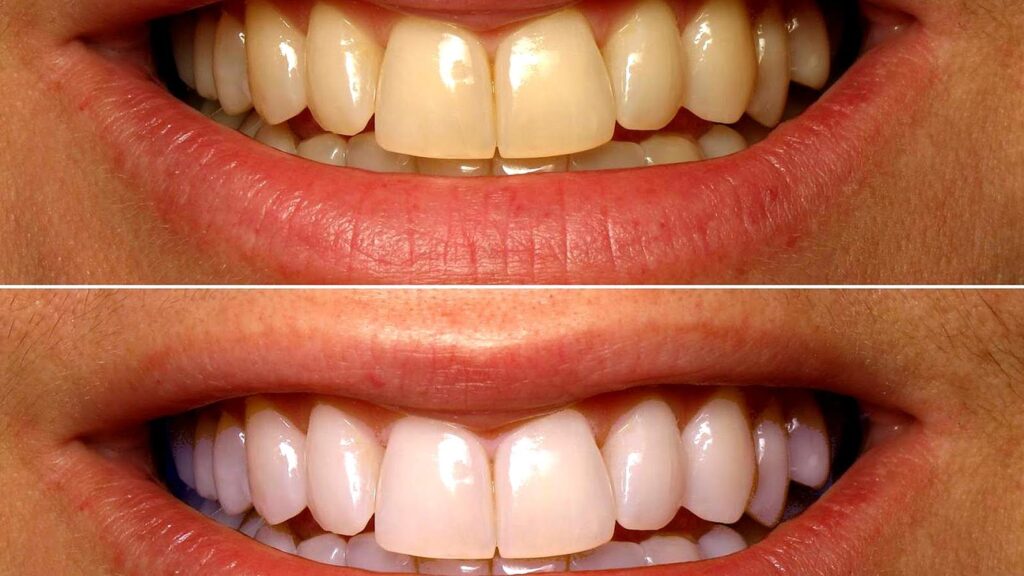
This is one of the fastest and most effective teeth whitening methods. Performed by a dentist, in-office whitening typically uses high-concentration bleaching agents such as hydrogen peroxide or carbamide peroxide. A protective barrier is applied to the gums to prevent irritation, and the whitening process is often accelerated using a special light or laser.
Benefits:
- Immediate results
- Customized treatment plan
- Supervised by dental professionals
Considerations:
- Higher cost compared to other methods
- Possible temporary tooth sensitivity
2. Take-Home Whitening Kits (Dentist-Provided)
These kits include custom-fitted trays and professional-grade whitening gel. They are provided by a dentist and are designed for at-home use over a specified period, typically 1-2 weeks.
Benefits:
- Professional-grade results at home
- Custom trays ensure even application
Considerations:
- Results take longer than in-office treatments
- Requires consistent use for best results
3. Over-the-Counter Whitening Products
These include whitening strips, gels, toothpaste, and mouthwashes available at pharmacies and stores. While they are convenient and affordable, the concentration of bleaching agents is lower than professional options.
Benefits:
- Affordable and accessible
- Easy to use
Considerations:
- Limited effectiveness for severe discoloration
- Risk of uneven whitening
4. Natural Remedies
Home remedies such as baking soda, hydrogen peroxide, or oil pulling are popular among those seeking natural alternatives. However, these methods often lack scientific backing and may be less effective.
Benefits:
- Cost-effective
- Minimal chemical use
Considerations:
- Results are not guaranteed
- Potential for enamel damage if not used correctly
5. Laser Whitening
Laser whitening combines bleaching agents with a laser to speed up the whitening process. It is a more advanced form of in-office whitening and delivers significant results in a single session.
Benefits:
- Dramatic results in one visit
- Suitable for stubborn stains
Considerations:
- High cost
- Not suitable for all individuals
Precautions to Take During Teeth Whitening
Teeth whitening is generally safe when performed correctly, but it is essential to take certain precautions to avoid potential issues. Here are some key points to consider:
1. Consult a Dentist
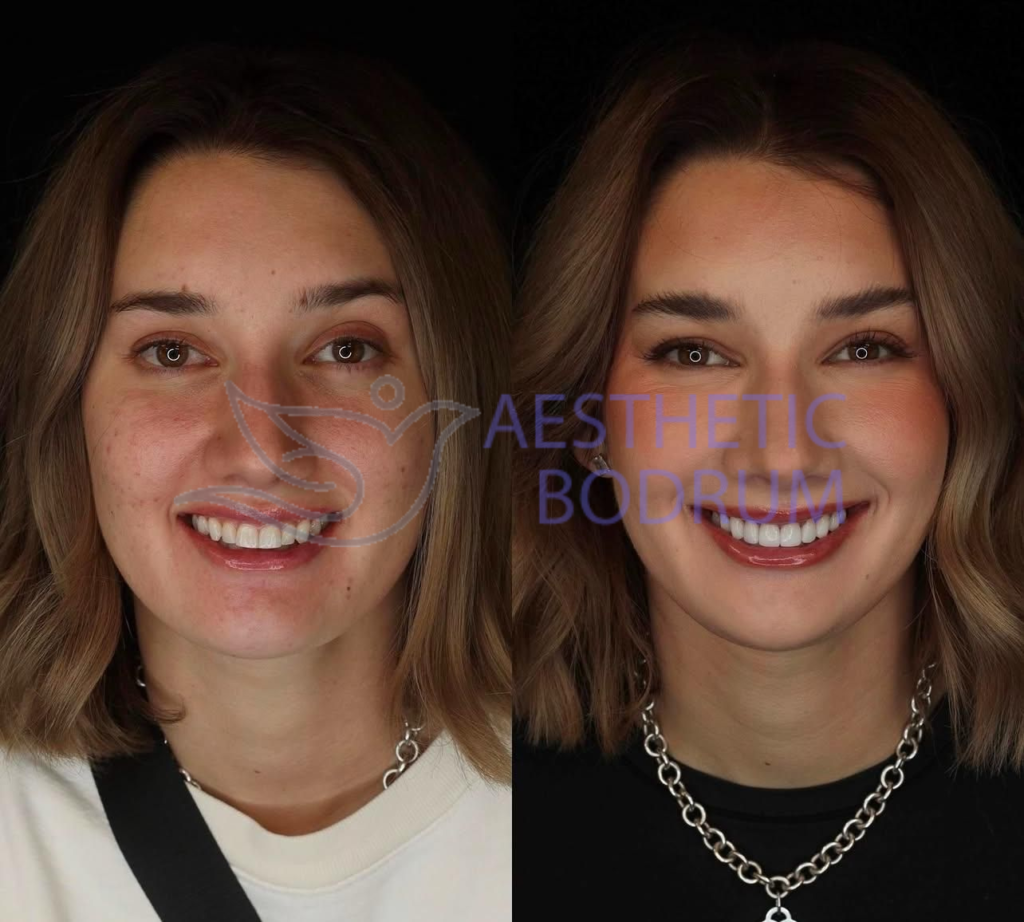
Before starting any whitening treatment, consult a dentist to assess the condition of your teeth and gums. A dental professional can identify underlying issues, such as cavities or gum disease, that need to be addressed before whitening.
2. Avoid Overuse of Whitening Products
Excessive use of whitening products can lead to tooth sensitivity and enamel erosion. Always follow the recommended usage instructions and avoid over-bleaching.
3. Protect Your Gums
Whitening agents can irritate the gums if not applied properly. Professional treatments include protective measures, but at-home users should exercise caution to avoid contact with the gums.
4. Monitor Sensitivity
Tooth sensitivity is a common side effect of whitening. If sensitivity occurs, consider using a toothpaste designed for sensitive teeth and consult your dentist if the issue persists.
5. Avoid Stain-Causing Foods and Beverages
After whitening, your teeth are more susceptible to stains. Limit consumption of coffee, tea, red wine, and other stain-causing foods and drinks, especially in the first 48 hours post-treatment.
6. Use Products with the ADA Seal
Look for teeth whitening products that carry the American Dental Association (ADA) Seal of Acceptance. This seal indicates the product is safe and effective when used as directed.
What to Consider During the Process
When choosing a teeth whitening method, it’s essential to consider factors such as cost, convenience, and the severity of discoloration. Here are some additional points to keep in mind:
1. Severity of Stains
Certain stains, such as those caused by coffee, tobacco, or aging, respond well to whitening treatments. However, intrinsic stains, such as those caused by medication or trauma, may require alternative cosmetic procedures like veneers.
2. Lifestyle and Maintenance
Consider your lifestyle habits and commitment to maintaining results. Professional treatments may offer longer-lasting results, but ongoing care is essential to preserve your brighter smile.
3. Safety of Whitening Agents
Not all whitening agents are suitable for everyone. Individuals with sensitive teeth, pregnant women, and those with allergies should consult their dentist for tailored advice.
4. Realistic Expectations
Understand that results vary from person to person. Whitening can significantly improve the brightness of your smile, but it may not achieve a “perfect” white for everyone.
Maintaining Your Whitened Smile
To prolong the effects of teeth whitening, adopt good oral hygiene practices and make lifestyle adjustments:
- Brush your teeth twice daily with a whitening or fluoride toothpaste.
- Floss regularly to remove plaque and food particles.
- Visit your dentist for routine check-ups and professional cleanings.
- Avoid smoking, as it is a major cause of tooth discoloration.
- Use a straw when drinking beverages that can stain your teeth.
Conclusion
Teeth whitening can transform your smile and boost your confidence, but it’s important to choose the right method and follow necessary precautions. Professional in-office treatments offer quick and effective results, while take-home kits and over-the-counter products provide more affordable options. By consulting a dentist and adhering to safety guidelines, you can achieve a brighter smile safely and effectively. Remember, maintaining your oral hygiene and avoiding stain-causing habits are key to preserving your dazzling results.
Whether you’re considering professional whitening or exploring at-home options, understanding the techniques and precautions will help you make an informed decision. Contact Dentist Gümbet today to learn more about our professional teeth whitening services and take the first step toward a healthier, brighter smile.
Teeth Whitening Techniques and Precautions
A bright, white smile is often associated with health, beauty, and confidence. Teeth whitening has become one of the most popular cosmetic dental procedures worldwide, offering individuals a way to enhance their appearance without undergoing invasive treatments. This article explores the various teeth whitening techniques and precautions to help you make an informed decision about improving your smile.
Teeth Whitening Techniques
1. In-Office Teeth Whitening
In-office teeth whitening is a professional treatment performed by a dentist. This method is highly effective and delivers noticeable results in a short time.
- Procedure: A high-concentration bleaching agent, usually hydrogen peroxide, is applied to the teeth. A special light or laser may be used to accelerate the whitening process.
- Advantages: Immediate results, tailored to individual needs, and supervised by a professional.
- Duration: Typically takes one to two hours.
- Effectiveness: Can lighten teeth by several shades in just one session.
2. At-Home Teeth Whitening Kits
Dentists often provide custom-made whitening trays and bleaching gel for at-home use.
- Procedure: The patient wears the trays filled with the gel for a specific time each day, usually for a week or two.
- Advantages: Convenient, cost-effective, and provides gradual whitening.
- Precautions: Follow the dentist’s instructions to avoid overuse or irritation.
3. Over-the-Counter Whitening Products
Over-the-counter products include whitening toothpaste, strips, pens, and gels. These are readily available at pharmacies and supermarkets.
- Whitening Toothpaste: Contains mild abrasives and a small amount of hydrogen peroxide to remove surface stains.
- Whitening Strips: Thin, flexible strips coated with a peroxide-based gel that adhere to teeth.
- Whitening Pens: Allow direct application of whitening gel to teeth.
- Effectiveness: Results are less dramatic than professional treatments but can be effective for minor stains.
4. Natural Remedies for Teeth Whitening
Some people prefer natural alternatives to chemical-based whitening methods. Popular options include:
- Baking Soda: Acts as a mild abrasive to remove surface stains.
- Hydrogen Peroxide Rinse: Diluted hydrogen peroxide can help whiten teeth over time.
- Oil Pulling: Swishing coconut oil in the mouth to reduce bacteria and remove stains.
- Precautions: Use these methods sparingly, as excessive use may harm enamel or gums.
5. Laser Teeth Whitening
Laser teeth whitening is an advanced technique performed by dentists for fast and effective results.
- Procedure: A bleaching gel is applied to the teeth, and a laser activates the whitening agents.
- Advantages: Quick and effective for deep stains.
- Cost: Typically more expensive than other methods.
Precautions for Teeth Whitening
While teeth whitening can enhance your smile, it is essential to take certain precautions to ensure safety and effectiveness.
1. Consult a Dentist
Always consult a dentist before starting any whitening treatment. A professional evaluation can determine if you are a suitable candidate and identify any underlying dental issues that need to be addressed first.
2. Avoid Overuse
Excessive whitening can lead to tooth sensitivity and enamel damage. Follow the recommended usage instructions for all products.
3. Monitor Sensitivity
Teeth whitening often causes temporary sensitivity. Use desensitizing toothpaste and avoid extremely hot or cold foods and drinks during the treatment.
4. Maintain Oral Hygiene
Good oral hygiene practices, such as brushing and flossing, are essential to maintain the results of teeth whitening. Use a non-abrasive toothpaste to protect enamel.
5. Be Cautious with Home Remedies
While natural methods may seem safe, overuse can harm tooth enamel. Baking soda, for example, can be abrasive if used excessively.
6. Avoid Stain-Causing Foods and Drinks
Certain foods and beverages, like coffee, tea, red wine, and dark-colored fruits, can stain teeth. Limiting their intake and rinsing your mouth after consumption can help prolong the whitening results.
7. Check for Allergies
Some people may be allergic to ingredients in whitening products. Conduct a patch test or consult a dentist before use.
8. Avoid Whitening During Pregnancy
Pregnant and breastfeeding women should avoid teeth whitening procedures, as the safety of these treatments during this period is not well established.
9. Choose Certified Products
Ensure that any over-the-counter whitening product you use is approved by relevant dental or health authorities.
Frequently Asked Questions (FAQs)
1. How often can I whiten my teeth?
Most professional whitening treatments can be repeated every six months to a year. Over-the-counter products and natural methods should be used sparingly to avoid enamel damage.
2. Are there side effects of teeth whitening?
Common side effects include tooth sensitivity and gum irritation. These effects are usually temporary and subside after treatment.
3. Can teeth whitening damage enamel?
If done correctly and under professional supervision, teeth whitening is safe. Overuse or improper application of whitening products can harm enamel.
4. How long do whitening results last?
The results of teeth whitening can last from a few months to three years, depending on your oral hygiene habits and lifestyle choices.
5. Can I whiten my teeth if I have dental restorations?
Teeth whitening does not affect crowns, veneers, or fillings. You may need to replace these restorations to match the color of your whitened teeth.
6. Is laser teeth whitening worth the cost?
Laser teeth whitening is highly effective and delivers fast results, making it a good option for those seeking immediate improvements. However, it is more expensive than other methods.
7. Are natural teeth whitening methods safe?
Natural methods are generally safe if used occasionally. However, excessive use can damage enamel and gums. Consult a dentist before trying these remedies.
8. What should I avoid after teeth whitening?
Avoid foods and drinks that can stain teeth, such as coffee, tea, red wine, and dark-colored fruits. Smoking should also be avoided as it can quickly discolor teeth.
9. Can I use whitening products if I have sensitive teeth?
Yes, but choose products designed for sensitive teeth and consult a dentist to minimize discomfort.
10. Do teeth whitening products expire?
Yes, teeth whitening products have an expiration date. Using expired products can be less effective and may cause irritation.
Conclusion
Teeth whitening is an excellent way to enhance your smile and boost confidence. With various teeth whitening techniques and precautions available, you can choose the method that best suits your needs and lifestyle. Always consult a dental professional to ensure safety and effectiveness. By following the recommended precautions and maintaining good oral hygiene, you can enjoy a brighter, whiter smile for years to come.