

Oral and Dental Health for Children: A Comprehensive Guide
Oral and Dental Health for Children. Oral and dental health for children is a vital part of their overall well-being, yet it is often overlooked. As parents and guardians, understanding the importance of proper dental care from an early age can prevent a host of dental problems later in life. This article explores essential tips, best practices, and key considerations to ensure your child maintains excellent oral and dental health.
Why is Oral and Dental Health for Children Important?
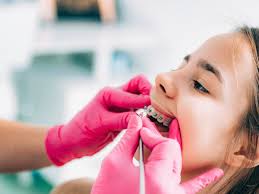
Healthy teeth and gums are fundamental for children as they affect their ability to eat, speak, and smile confidently. Poor oral hygiene can lead to issues such as cavities, gum disease, and even more severe systemic health problems. By establishing good oral hygiene habits early, parents can set their children on the path to lifelong dental health.
When Should Children Start Dental Care?
Oral and dental health for children should begin as soon as their first tooth emerges. The American Dental Association recommends that children have their first dental visit by their first birthday. This initial visit helps identify potential issues early and sets the stage for a healthy oral care routine.
Tips for Maintaining Oral and Dental Health for Children
- Start Early Dental Hygiene Practices
Clean your baby’s gums with a soft, damp cloth even before their teeth appear. Once teeth erupt, switch to a baby toothbrush and fluoride toothpaste. - Encourage Proper Brushing and Flossing Habits
Teach children to brush their teeth twice a day for two minutes using fluoride toothpaste. Flossing should begin as soon as two teeth touch. - Monitor Sugar Intake
Excessive sugar consumption is a major cause of cavities in children. Limit sugary snacks and drinks, and encourage healthier alternatives like fruits and vegetables. - Regular Dental Checkups
Schedule dental visits every six months to ensure your child’s teeth and gums remain healthy. Regular checkups allow dentists to spot potential issues early. - Use Protective Gear During Sports
If your child participates in contact sports, ensure they use a mouthguard to protect their teeth from injury. - Lead by Example
Children mimic their parents’ habits. Show them the importance of oral care by brushing and flossing together.
Common Dental Issues in Children

- Tooth Decay: The most prevalent dental problem in children, often caused by poor oral hygiene and high sugar intake.
- Thumb Sucking: While normal in infants, prolonged thumb sucking can lead to misaligned teeth.
- Teething Pain: As teeth erupt, children may experience discomfort. Providing teething rings or a chilled washcloth can help.
- Gum Disease: Early signs of gum disease, like redness or swelling, should not be ignored.
Role of Diet in Oral and Dental Health for Children
A balanced diet plays a crucial role in maintaining oral health. Foods rich in calcium and vitamins help build strong teeth and gums. Encourage your child to consume:
- Dairy products like milk and cheese
- Leafy green vegetables
- Nuts and seeds
- Fresh fruits and crunchy vegetables like apples and carrots
Avoid sticky candies and sugary sodas, which can lead to plaque buildup and cavities.
Creating a Fun Oral Care Routine
Make oral care enjoyable to encourage consistency. Consider these tips:
- Use toothbrushes with fun designs or favorite cartoon characters.
- Play a two-minute song while they brush.
- Reward them for maintaining good oral hygiene habits.
Choosing the Right Dentist for Your Child
Selecting a pediatric dentist experienced in oral and dental health for children is essential. Pediatric dentists understand how to make children feel comfortable and are trained to address their unique dental needs.
At Dentist Gumbet, we specialize in providing exceptional pediatric dental care in a child-friendly environment. Our team ensures every visit is educational, fun, and stress-free for your child.
Frequently Asked Questions About Oral and Dental Health for Children
1. How can I prevent cavities in my child’s teeth?
Encourage regular brushing with fluoride toothpaste, flossing, and limiting sugary snacks.
2. At what age should my child start flossing?
Flossing should begin as soon as two teeth are touching.
3. What should I do if my child’s tooth is knocked out?
Rinse the tooth gently with water, avoid touching the root, and place it in milk or saliva. Visit your dentist immediately.

Internal Linking Opportunities
Explore more about teeth whitening for teenagers and dental treatments for families on our website. Learn how regular dental checkups benefit the entire family.
Meta Description
Discover how to maintain optimal oral and dental health for children with expert tips, dietary advice, and routine practices. Ensure a lifetime of healthy smiles!
Oral and dental health for children is a shared responsibility between parents, dentists, and the children themselves. By taking proactive steps, you can safeguard your child’s smile and instill habits that last a lifetime. Schedule an appointment at Dentist Gumbet today to ensure your child’s oral health is in expert hands!