
teeth cleaning in Gümbet: a practical, independent-information guide to dental care and treatment questions for visitors to Bodrum. All treatment decisions require a qualified clinician’s individual assessment.
What professional teeth cleaning means
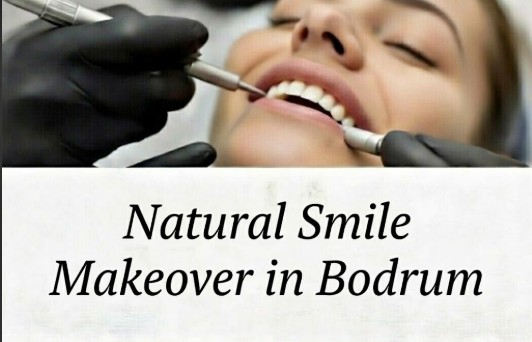
Teeth cleaning in Gümbet can refer to a routine dental assessment with removal of plaque and calculus, a scale and polish, or more extensive treatment for periodontal disease. These are not interchangeable services. A dental professional must evaluate the gums and decide what is clinically required. Patients travelling to Bodrum for a short holiday should not assume every discoloured area can be polished away or that cleaning makes teeth permanently white. This guide helps visitors understand the differences, questions to ask and aftercare that protects oral health. No specific treatment is guaranteed suitable without an examination.
Plaque, calculus and staining
Plaque is a film of bacteria that can accumulate on teeth and along the gum line. If it is not removed effectively, some plaque can harden into calculus, which cannot be eliminated by ordinary brushing. Tea, coffee, tobacco and some foods may also contribute to surface staining. Professional cleaning methods target deposits that home care cannot manage as easily, but results depend on the condition of the teeth and the nature of the staining. The dentist should first check for decay, restorations, gum inflammation and any other concerns. Cleaning is one part of preventive care, not a substitute for diagnosis.
Scale and polish versus periodontal treatment
A routine scale and polish may be appropriate in some circumstances, while patients with deeper gum disease can require a more comprehensive periodontal assessment and different interventions. These may involve recording gum pockets, evaluating bone support and planning staged care. Do not book a simple polishing appointment as if it will treat advanced periodontitis. The clinician should explain the diagnosis, the need for any further investigations and the role of ongoing home cleaning. Ask whether the quoted service includes assessment and whether additional periodontal treatment would be discussed separately. Early gum disease can sometimes develop with few obvious symptoms.
How gum health is assessed
The dental team may ask about bleeding during brushing, swelling, bad breath, discomfort and any loose teeth. A clinical examination can evaluate the gums, existing restorations and the presence of deposits. In some cases, imaging or other periodontal measurements may be indicated. People with diabetes, who smoke or who have had previous gum problems should mention this history. The dentist will consider which treatment is appropriate and how often reviews are needed. An online photograph is not enough to establish gum disease severity. Avoid relying solely on social-media videos describing one cleaning method as ideal for everyone.
When cleaning may not be enough
If there is persistent bleeding, tooth mobility, deep periodontal pockets or signs of infection, a broader dental plan may be necessary. Cleaning alone cannot replace treatment of damaged teeth, infection or other oral disease. Ask which findings need attention before cosmetic whitening, veneers or implants. It may be important to stabilise periodontal health prior to restorations. Do not assume that the absence of pain means no disease exists. A clinical assessment can distinguish harmless superficial staining from conditions requiring further investigation. Patients should be given a clear explanation of their options and the risks of delaying care.
What happens at an appointment?
The exact sequence depends on the clinician and findings. An appointment may include discussion of dental history, inspection of the mouth, gum assessment, removal of deposits with suitable instruments and guidance about home cleaning. Some people experience sensitivity or bleeding when gums are inflamed. The practitioner should explain what to expect and whether any local anaesthesia or additional visit is appropriate. Not every patient requires the same duration or instruments. Before the visit, ask whether assessment, scaling and polishing are included in one quote. Treatment should never be described as completely painless or risk-free for everybody.
Ultrasonic and manual instruments
Dental clinicians may use ultrasonic scalers, manual instruments or a combination depending on the situation. Ultrasonic instruments can help remove deposits, while hand instruments allow targeted cleaning in appropriate cases. The choice should reflect the patient’s comfort, restorations and periodontal findings. A particular device does not guarantee a superior result for every person. Patients with sensitive teeth or relevant medical considerations should tell the clinician. Ask for clear information about the proposed approach instead of interpreting equipment advertisements as proof of a specific standard. The treating professional remains responsible for safe selection and use.
Air polishing and stain removal
Some dental practices offer air polishing or other stain-removal techniques, but availability at any particular clinic must be confirmed. Such methods can be useful in selected circumstances, but may not be appropriate for all oral conditions. A white smile shown in a photograph does not establish that the person received cleaning rather than whitening or restorations. Ask how the clinician intends to address your staining and whether the technique carries limitations. Surface stains may improve, while intrinsic discoloration can require a separate discussion. No dental cleaning method is a substitute for treating active decay or periodontal disease.

Is cleaning the same as whitening?
Professional cleaning primarily addresses plaque, calculus and some surface stains. Whitening uses different techniques intended to lighten the natural colour of teeth, with its own suitability and sensitivity considerations. A patient whose teeth look yellow because of calculus may experience visible improvement after cleaning without undergoing chemical whitening. However, cleaning does not reliably change the underlying natural shade. Ask the dentist to explain the cause of the discolouration before paying for cosmetic treatment. Veneers and crowns also change appearance in different ways but are more invasive and should not be chosen simply because cleaning did not produce a dramatic Hollywood Smile.
Can cleaning affect crowns, veneers or implants?
Restorations and dental implants require appropriate maintenance, but the clinician should select methods compatible with the materials and gum condition. A patient with implant-supported bridges might need specific interdental brushes or other cleaning tools. Inform the team which teeth have restorations and provide implant component information if available. Do not assume every polishing paste or instrument is suitable for every surface. Persistent bleeding around an implant is a reason to seek an assessment rather than self-treat. Well-designed restorations still depend on plaque control and periodic professional examination. Maintenance needs should be explained for each individual case.
Aftercare and temporary sensitivity
After cleaning, some patients experience short-lived sensitivity or mild gum discomfort, especially where deposits and inflammation were present. The treating clinician should explain what is expected and recommend appropriate daily hygiene. Increasing swelling, severe pain or ongoing bleeding warrants assessment rather than reliance on a generic timeline. Avoid aggressive brushing in response to a sensitive area; ask for suitable brush and interdental methods. A single appointment cannot prevent future plaque accumulation. The benefit of professional care depends on consistent home cleaning, appropriate review intervals and management of any underlying oral conditions.
Daily brushing and interdental care
Home prevention generally includes brushing with fluoride toothpaste and cleaning between teeth using a method appropriate to the mouth. The dentist can demonstrate how to reach difficult areas around bridges, implants and orthodontic appliances. Interdental brushes come in different sizes, and the wrong size can be uncomfortable or ineffective. A patient should not assume mouthwash can replace mechanical cleaning. Dietary habits, smoking and medical conditions also influence oral health. Ask about a personalised maintenance plan rather than treating one branded product as necessary for every person. Regular professional reviews complement, rather than replace, good home care.
Cleaning before implants or smile makeovers
A clinician may advise addressing calculus and gum inflammation before planning implants, crowns or veneers. Healthy supporting tissues help determine whether restorative work is appropriate and how it may be maintained. Cleaning alone cannot guarantee implant success or a flawless cosmetic result. The overall plan may require periodontal treatment, management of caries or other steps. Patients travelling from abroad should allow enough time for assessment rather than assuming a cleaning appointment will immediately lead to a complete smile makeover. Ask which stages can be scheduled together safely and which require follow-up.
Practical appointments for holiday visitors
Travellers staying in Gümbet, Bitez or Bodrum town may want to book an examination during their holiday. Provide the dates, current symptoms, relevant medical history and any special needs in advance. A cleaning appointment should not be represented as treatment for a severe dental emergency. If you experience substantial swelling, fever or intense pain, seek a suitable urgent dental or medical assessment. Check the location of the treating facility and whether follow-up is necessary. Ask for a written price and what it includes before booking. A short stay is not a reason to skip informed consent or clinical examination.
Frequently asked questions
Does professional cleaning whiten teeth?
It may remove surface staining but does not reliably change the natural tooth shade.
Is cleaning always painless?
No. Sensitivity and gum conditions vary.
How often should I have cleaning?
A dental professional should recommend an interval based on your individual oral health.
Can cleaning treat advanced gum disease?
Some cases need a broader periodontal treatment plan.
Can implants be cleaned professionally?
Yes, using appropriate maintenance methods selected by the clinician.
Arrange a clinically appropriate assessment
If you are considering teeth cleaning in Gümbet, request a dental examination and ask whether a routine scale and polish or periodontal treatment is recommended. The clinic should explain the treatment scope, expected discomfort, maintenance and written price before proceeding. Existing guides to dental aftercare, cosmetic dentistry and treatment planning offer further context. This is general educational information rather than an examination or diagnosis. Results vary and patients should seek professional assistance promptly when they have concerning symptoms.