
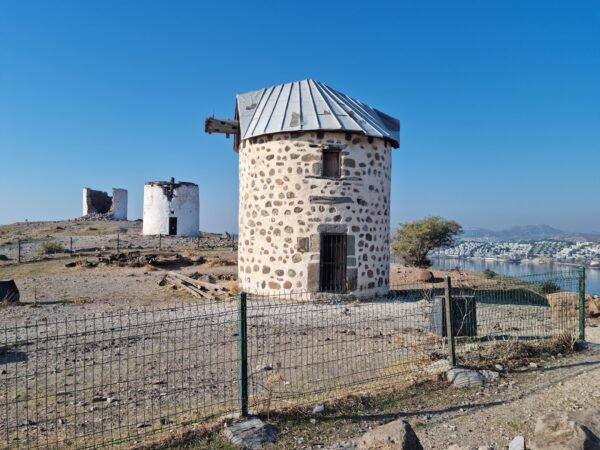
The History of Bodrum: A Journey Through Time
Bodrum, a picturesque town on Turkey’s southwestern coast, is renowned for its turquoise waters, vibrant nightlife, and luxurious resorts. Yet, beyond its modern attractions lies a rich tapestry of history spanning thousands of years. Understanding the history of Bodrum allows visitors to appreciate its cultural heritage, ancient architecture, and unique position in Mediterranean history.
From ancient Greek settlements to the mighty Crusaders and the Ottoman Empire, Bodrum has played a significant role in regional history. In this article, we explore the most important periods, historical landmarks, and fascinating stories that define Bodrum’s legacy.
Ancient Bodrum: Halicarnassus and Greek Roots
The earliest known settlement in Bodrum dates back to the 11th century BCE. Known as Halicarnassus, the city became a thriving Greek settlement in the 5th century BCE. It was famous for its strategic location along trade routes, which connected the Aegean Sea with inland Anatolia.

Key Highlights:
- Mausoleum at Halicarnassus: Built around 350 BCE, this tomb of King Mausolus is one of the Seven Wonders of the Ancient World. Its grandeur and architectural brilliance attracted historians and travelers for centuries.
- Greek Influence: The city was initially under Doric Greek control and later became part of the Persian Empire before falling to Alexander the Great.
- City Planning: Halicarnassus was known for its fortified walls, temples, and theaters, reflecting the sophistication of Greek architecture.
Customer Testimonial:
“Walking through Bodrum Castle and imagining the Mausoleum’s former glory was like stepping into history. Truly mesmerizing.” – Anna L., London
Bodrum Under the Persian and Hellenistic Periods
After the Greek era, Bodrum fell under the Persian Empire, serving as a regional administrative center. The Hellenistic period brought new cultural and architectural influences, including monumental buildings and art that blended Greek and Persian styles.
Key Highlights:
- Bodrum’s role as a maritime hub increased during this period.
- Greek-Persian fusion is visible in archaeological finds, including sculptures, pottery, and coins.
- The city retained its strategic importance and continued to flourish culturally and economically.
Internal Linking Opportunity: Link to pages about Aegean archaeology or Greek historical sites in Turkey.
Roman and Byzantine Bodrum
The Roman Empire annexed Bodrum in the 2nd century BCE, integrating it into the province of Asia Minor. During Roman rule, the city became a center for trade, culture, and governance.
Key Highlights:
- Construction of Roman theaters and roads connected Bodrum to other key cities in the empire.
- During the Byzantine era, Bodrum was fortified to defend against Arab naval raids.
- Christianity began to spread, and churches were constructed alongside pagan temples.
Customer Testimonial:
“Exploring the ancient Roman walls and Byzantine churches gave me a sense of Bodrum’s enduring significance through centuries.” – Michael R., New York
The Crusaders and the Knights of St. John
In the 15th century, Bodrum became a focal point during the Crusades. The Knights of St. John, a medieval Catholic military order, captured the city and built the iconic Bodrum Castle (Castle of St. Peter) to defend against Ottoman and pirate attacks.
Key Highlights:
- Bodrum Castle: A masterpiece of medieval military architecture, built with limestone and equipped with towers and battlements. Today, it houses the Bodrum Museum of Underwater Archaeology.
- Strategic defense: The castle played a crucial role in protecting the Aegean coast.
- Cultural fusion: Gothic and medieval European influences are evident in its design.
Customer Testimonial:
“Standing atop Bodrum Castle and seeing the entire bay reminded me how history shapes our present. Incredible views and heritage.” – Sofia K., Berlin
Ottoman Era and Modern Transformation
Bodrum fell under Ottoman control in the 16th century, ushering in a period of peace, trade, and urban development. During this era, the town became an important center for shipbuilding and regional commerce.
Key Highlights:
- Traditional Ottoman houses, many of which still stand today, showcase unique architectural styles.
- The town’s port facilitated trade between the Mediterranean and inland Anatolia.
- Bodrum remained a small fishing village until the 20th century.
Customer Testimonial:
“Walking through Bodrum’s old town with its whitewashed Ottoman houses is like traveling back in time. Beautifully preserved.” – Emily S., Sydney
Bodrum in the 20th Century: From Fishing Village to Tourist Hub
The mid-20th century marked a turning point for Bodrum. With its natural beauty and historical significance, it gradually transformed from a quiet fishing village into one of Turkey’s most popular tourist destinations.
Key Highlights:
- Tourism boom: Hotels, resorts, and marinas developed to accommodate international visitors.
- Cultural revival: Efforts to preserve Bodrum’s historical sites gained momentum.
- Festivals and arts: The Bodrum International Ballet Festival and local arts events showcase the town’s cultural depth.
Customer Testimonial:
“Visiting Bodrum today, you can see the perfect mix of history and modern leisure. It’s a cultural and scenic delight.” – James W., London
Historical Landmarks Not to Miss
When exploring the history of Bodrum, several landmarks are essential for visitors:
- Mausoleum at Halicarnassus: Though largely in ruins, the site remains a testament to ancient engineering and artistry.
- Bodrum Castle: Home to the Underwater Archaeology Museum and offering panoramic views of the harbor.
- Ancient Theater of Halicarnassus: Restored Roman theater still used for performances today.
- Ottoman Houses in Bodrum Old Town: Whitewashed streets and traditional architecture.
- Myndos Gate: The ancient city gate from Hellenistic times, showcasing Bodrum’s defensive history.
Internal Linking Opportunity: Link to travel guides, museum pages, and heritage preservation projects in Bodrum.
Legends and Cultural Stories
Bodrum’s history is also rich with myths and legends. Local tales often reference Greek gods, sea voyages, and ancient heroes. These stories add a layer of intrigue to historical sites and enhance the visitor experience.
Customer Testimonial:
“Learning about the myths of Halicarnassus while walking through Bodrum’s streets made history come alive.” – Laura M., Paris
Tips for Exploring Bodrum’s History
- Plan Your Route: Start at Bodrum Castle, then visit the Mausoleum, theaters, and Ottoman streets.
- Hire a Guide: Expert guides provide context, stories, and hidden historical insights.
- Combine With Beach Visits: Bodrum offers both cultural and natural attractions, making it ideal for mixed itineraries.
- Visit Museums: The Bodrum Museum of Underwater Archaeology is a must-see for maritime history enthusiasts.
- Attend Cultural Events: Local festivals and performances often take place in historical settings.
Conclusion
The history of Bodrum is a fascinating journey through ancient civilizations, medieval crusaders, Ottoman influences, and modern cultural revival. From the legendary Mausoleum at Halicarnassus to the majestic Bodrum Castle and charming Ottoman streets, the town offers an unparalleled historical experience.
Exploring Bodrum allows visitors to connect with thousands of years of Mediterranean history while enjoying stunning natural landscapes and vibrant local culture. Whether you’re a history enthusiast, a cultural traveler, or simply seeking picturesque scenery, Bodrum’s past enriches every step of your journey.