
What Material is the Implant Made of? The Unknowns of Titanium and Zirconia Implants
Implants and the Importance of Biocompatibility
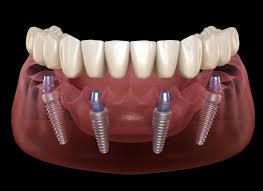
Dental implants are one of the most effective and permanent solutions offered by modern dentistry for the treatment of missing teeth. These artificial tooth roots function like a natural tooth root, placed into the jawbone to provide a stable foundation for a prosthesis (crown, bridge, or denture). However, the most critical factor behind the success of implants is the compatibility of the material used in their manufacture with the body, which is known as biocompatibility.
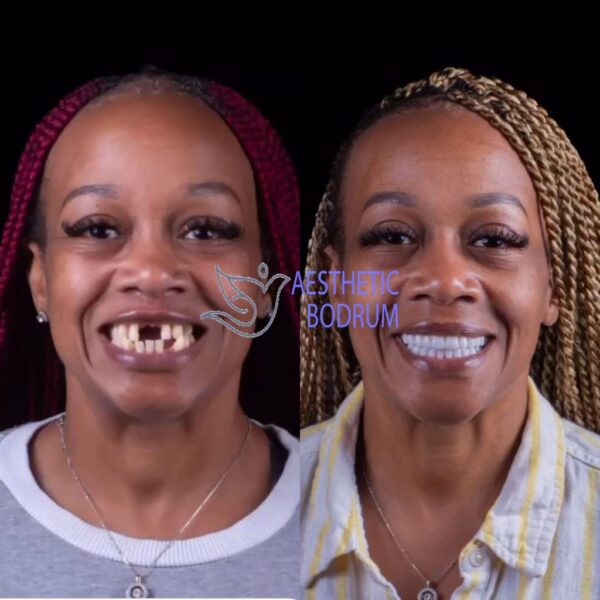
So, what exactly are these important artificial roots made of, and what is the content of these materials? Let’s take a closer look at the fundamental materials used in dental implantology and their characteristics.
The Most Common Implant Material: Titanium and its Alloys
The implant material that has been used the longest and is considered the “gold standard” in the market is titanium. Titanium is widely preferred in the surgical field, especially for orthopedic prostheses and dental implants, due to its biocompatibility, corrosion resistance, and durability.
Titanium Implant’s Composition: Is it Just Titanium?
Although commonly referred to as a “titanium implant,” the material used is usually pure titanium or titanium alloys.
Pure Titanium (Grade 1-4)
Pure titanium has high biocompatibility and consists almost entirely of titanium.
Titanium Alloys (Most Commonly Used: Grade 5)
The most common alloy used in dental implants, which provides high strength, is generally known as Grade 5 Titanium (Ti-6Al-4V). The standard composition and components of this alloy are as follows:
- 88-90% Titanium (Ti): The main material and the source of biocompatibility.
- 5.5-6.75% Aluminum (Al): Adds strength and lightness to the material.
- 3.5-4.5% Vanadium (V): Increases the durability and thermal stability of the alloy.
Important Note: The Ti-6Al-4V (Titanium-Aluminum-Vanadium) alloy is the most recognized and widely used blend in dental literature and implant manufacturing.
These alloys are specifically formulated to provide high resistance and fracture toughness against the chewing forces that will be exerted after the implant is placed in the jawbone. The titanium dioxide (TiO2) layer that naturally forms on the surface of titanium prevents the material from corroding and supports the process of direct fusion with the bone (osseointegration).
The Alternative for Those with Metal Allergies: Zirconia Implants
Although rare, titanium can cause allergic reactions in some individuals. Furthermore, the grey color of titanium can lead to aesthetic concerns, especially in the front tooth area where the gum tissue is thin. In such cases, zirconia (zirconium oxide, ZrO2) implants, which are metal-free and provide high aesthetics, come into play.
Characteristics and Composition of Zirconia Implants
Zirconia implants are typically manufactured from a high-performance ceramic material called zirconium dioxide.
- Content: 95%+ of Zirconium Dioxide (Zirconia, ZrO2).
- Structure: A metal-free, white, crystalline ceramic.
- Biocompatibility: It has biocompatibility as high as, or according to some studies even higher than, titanium. It is perfectly accepted by the body and the risk of allergic reactions is almost zero.
- Aesthetics: Its white color, close to that of natural teeth, prevents issues like metal reflection or gum greyishness, especially in the aesthetic zone (front teeth).
- Durability: Despite being ceramic, it has very high durability and hardness.
Zirconia implants are an excellent alternative for patients with metal allergies or those who prefer holistic dentistry. However, their cost may be higher than titanium implants due to manufacturing and processing difficulties.
Comparison of Implant Materials and Other Alternatives
| Feature | Titanium Implant (Ti-6Al-4V) | Zirconia Implant (Zirconia) |
| Core Structure | Metal Alloy | Ceramic (ZrO2) |
| Color | Grey/Metallic | White (Close to Tooth Color) |
| Biocompatibility | Very High (Gold Standard) | Very High (No Allergy Risk) |
| Fracture Resistance | Excellent (High Flexibility) | High (Harder, Less Flexible) |
| Aesthetics | Moderate (Risk of Grey Reflection) | Excellent (Natural Appearance) |
| Cost | Mid-Range | High-Range |
| Clinical History | Long-Standing Clinical Evidence | Relatively New (Proven Clinical Success) |
| Allergy Risk | Very Rare, Low Risk | Virtually Non-Existent/Zero |
Other Implant Materials
While titanium and zirconia are the main materials, scientists continue to work on alternatives that offer even better features:
- Tantalum: Another metal with high biocompatibility potential after titanium.
- Polymers and Composites: Lighter and more flexible alternatives used, especially in temporary solutions and special cases.
- Bioactive Ceramics (Hydroxyapatite Coating): The surface of titanium or zirconia implants can sometimes be coated with hydroxyapatite, which is found in the natural structure of bone, to accelerate the bone fusion process.
Implant Selection for Patients with Metal Allergies
For patients who want an implant but suspect they have an allergy to titanium or other metals, this process is vital. Although metal allergies are rare, they should not be ignored.
Allergy Symptoms and Diagnostic Methods
Titanium allergy may manifest with symptoms such as chronic inflammation in the gums around the implant, swelling, itching, eczema-like rashes, or unexplained implant failure.
Allergy tests are recommended for patients with a suspected allergy before treatment. These tests are typically performed with blood tests such as the Lymphocyte Transformation Test (LTT) or standard patch tests.
Which Implant Should be Preferred?
In patients diagnosed with a metal allergy, or individuals with very high aesthetic expectations, Zirconia (Ceramic) Implants are the safest and most ideal alternative. The biocompatible structure of zirconia eliminates the risk of causing an allergic or toxic reaction in the body.
Cost and Alternatives: Zirconia implants are more expensive than titanium. They may be the preferred choice not only in mandatory situations like allergies but also in cases where the highest level of aesthetic expectation is present.
Implant Success and Biocompatibility
The main materials used in modern dental implantology (Titanium and Zirconia) are designed to provide excellent compatibility with body tissues. The scientific name for this compatibility is osseointegration—the healthy and strong fusion of the implant with the jawbone.
Today, all implants manufactured according to international standards have high biological compatibility and a very low risk of causing a systemic allergy. In implant success, factors like correct surgical technique, oral hygiene, and regular check-ups are as crucial as the material selection itself.
Conclusion
Dental implants are primarily manufactured from Titanium or its alloys (Ti−6Al−4V) due to their durability, lightness, and extraordinary biocompatibility. Titanium alloy contains elements such as aluminum and vanadium along with titanium to increase strength. For those with a metal allergy and high aesthetic expectations, Zirconia (Ceramic) implants are an excellent and safe alternative.
Choosing the right material in implant treatment is the first step toward long-term success. You should decide which type of implant is suitable for you, considering your general health status and expectations, in consultation with your dentist.

Frequently Asked Questions (FAQ)
Implant Materials: Quick Answers
Why are titanium implants so widely used?
Titanium is considered the most reliable material in dentistry and surgery due to its high resistance to corrosion, lightness, and ability to form a direct and strong bond with the jawbone (osseointegration).
Are zirconia implants better than titanium?
Zirconia implants are metal-free and offer an aesthetic advantage over titanium due to their natural tooth color. They may be a better option, especially for those with metal allergies or thin gum tissue. However, titanium’s long-standing clinical evidence and fracture resistance should not be overlooked.
Does the implant have any harm or allergy risk to the body?
Titanium and Zirconia implants are highly biocompatible materials. The risk of developing an allergy to titanium is very rare. In case of a known allergy, zirconia implants can be used safely.
What is the lifespan of an implant?
With proper care and regular dental check-ups, both titanium and zirconia implants can last a lifetime.